Surface Goes Ultra as Amazon Reinvents the Tablet
· admin
By Unicore Wholesale Editorial Team
Featured photo: Firmbee.com / Unsplash.
The loudest electronics launch of the week came with an equally loud price tag. Microsoft put its Nvidia-powered Surface Laptop Ultra up for preorder in Canada at nearly $3,900, while Amazon retired the old Fire-tablet formula in favour of pricier Alexa Tablets that finally include Google Play. Bell, meanwhile, went in the opposite direction with a $335 phone aimed squarely at practical buyers.
Elsewhere, Pimax showed a wireless VR headset, an unusual headphone-speaker hybrid reached stores, and TELUS moved satellite-to-phone service one test closer to reality. Here is what is announced, shipping or still mostly a promise.
At a glance
| Development | Status | Price | Canadian read |
|---|---|---|---|
| Microsoft Surface Laptop Ultra | Preorder; releases October 16 | From CA$3,899.99 | For specialized AI and creative work, not ordinary office use |
| Amazon Alexa Tablets | Preorder; ship October 14 | From CA$299.99 | Google Play fixes the Fire tablet’s biggest limitation |
| Bell ahlo 2 | Released | CA$335 outright | A large-screen budget phone tied to Bell and Virgin Plus |
| Pimax Crystal Pro | Announced; $1 reservation | From US$1,399 | No Canadian price; shipping is not imminent |
| TDM Neo headphones | Released in the U.S. | US$249 | No confirmed Canadian release |
| TELUS satellite-to-phone service | Integration test completed | Not announced | Commercial service is expected within a year |
Surface Laptop Ultra makes local AI a luxury purchase
Microsoft opened preorders for the 15-inch Surface Laptop Ultra on October 7, with Canadian pricing starting at CA$3,899.99 and availability set for October 16. The base configuration combines an 18-core Nvidia RTX Spark processor, 24 GB of unified memory and 512 GB of storage. Higher configurations reach 128 GB. Ports include three USB-C, HDMI, USB-A, a full-size SD card reader and a headphone jack.
RTX Spark is designed to run larger AI models, creative workloads and developer tools locally, reducing some reliance on cloud processing. That can matter when client data is sensitive or internet access is unreliable. It does not make the machine sensible for everyone. Most students, office teams and small businesses will get better value from a conventional laptop. Buyers should identify the exact local workload that will earn back its price; “future-proofing” is too vague a reason to spend this much.
Amazon’s Alexa Tablets finally behave like regular Android tablets
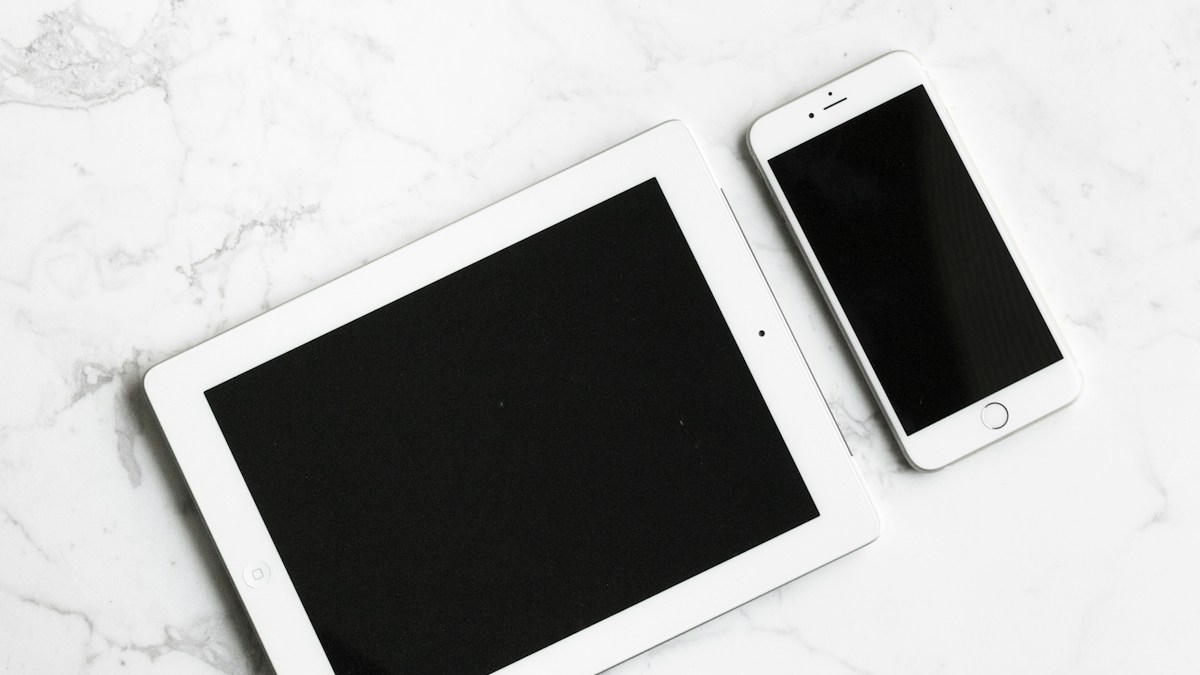
Amazon announced three aluminum Alexa Tablets on October 8, all running Android with full Google Play Store access. Canadian preorders are open and shipping begins October 14. The 8.7-inch Alexa Tablet 8 starts at CA$299.99 with 4 GB of memory and 64 GB of storage. The 11-inch model starts at CA$449.99 with 8 GB and 64 GB, while the 12-inch Alexa Tablet 12 Pro starts at CA$749.99 with 8 GB and 128 GB. A Nanomatte-display version costs CA$799.99.
Google Play is the important change: Gmail, YouTube, Google Docs and mainstream Android apps no longer need workarounds. The 12 Pro adds a 120 Hz, 3:2 display, Wi-Fi 6E and optional keyboard and pen; the 11-inch model uses a 90 Hz 2.5K panel. Alexa+ is built in and free with Prime in Canada, tying the full experience closely to Amazon’s ecosystem. Compare the final price—including accessories—against an iPad or Galaxy Tab.
Bell’s ahlo 2 gives budget-phone shoppers another option
Bell released the ahlo 2 on October 7 for CA$335 outright through Bell, Virgin Plus and participating retailers. It has a 6.9-inch 120 Hz matte display, MediaTek Dimensity 7300 processor, 8 GB of memory, 128 GB of expandable storage, Android 16 and a 5,200 mAh battery. The camera system includes a 50 MP main camera with optical stabilization, an 8 MP ultrawide and a 32 MP front camera. Bell also lists eSIM, NFC, Wi-Fi 6 and a two-year warranty.
That is a respectable paper specification for a first phone, backup handset or basic work device. The catch is the sales channel. Bell advertises financing from $10 per month, but a low device payment can sit beside an expensive service plan. Compare the two-year total with buying outright and using a lower-cost bring-your-own-device plan. Bell has not published a long-term Android update commitment, so organizations should ask before a fleet purchase.
Pimax’s Crystal Pro is a reservation, not a release
Pimax announced the Crystal Pro, a wireless PC VR headset with 2,880-by-2,880 QLED panels for each eye, a 120 Hz refresh rate, eye tracking and DisplayPort for uncompressed wired PC VR. Wi-Fi 6E hardware is included, while an optional 60 GHz AirLink kit uses eye-tracked foveated streaming to send full detail where the user is looking. The headset is priced at US$1,399, or US$1,899 with AirLink.
The company is accepting a US$1 reservation, but that is not a preorder and does not secure a finished retail unit. Pimax’s FAQ says demonstrations begin in the fourth quarter and shipping is planned for spring 2027; Canadian pricing has not been announced. Enthusiasts may enjoy watching the technology develop, but schools, simulation teams and gaming businesses should wait for production hardware, software support and Canadian warranty details.
TDM’s twistable headphones reach U.S. stores

The TDM Neo went on sale in the United States on October 6 for US$249. Twist the flexible headband and its outward-facing drivers turn the headphones into a pair of 5-watt Bluetooth speakers. TDM claims more than 200 hours of headphone listening or about 16 hours in speaker mode, and both the battery and ear cushions are replaceable. It is clever, but also heavier and more mechanically complicated than a conventional headset. No Canadian price or release was confirmed by the end of the week.
TELUS completes a satellite-to-smartphone integration test
TELUS and AST SpaceMobile said on October 5 that they completed their first integration test linking TELUS’s terrestrial network with AST’s satellite system. The planned service is intended to deliver voice, text and broadband data to eligible, ordinary smartphones beyond cell-tower coverage. TELUS expects availability within the next year, but has not announced compatible phones, pricing or a firm launch date. For remote workers and travellers, this is promising infrastructure news—not a service to budget around yet.
What Canadian buyers should do this week
Amazon’s tablets and Bell’s ahlo 2 are the products most buyers can realistically assess now. The Surface Laptop Ultra deserves a business case, not an impulse purchase. Pimax is taking reservations for future hardware, TDM is U.S.-only for now, and TELUS has completed a test rather than launched a plan. There were no comparably consequential new graphics-card or monitor launches this week, so there is no need to manufacture urgency in those categories.
Before ordering, compare currently listed devices in the Unicore Wholesale shop, ask about larger quantities through the bulk-order inquiry page, and read the returns, refunds and warranty policy. The useful question is still the boring one: does the product solve a real problem at its full Canadian cost?
Sources
- Microsoft: Surface Laptop Ultra preorder and specifications; MobileSyrup: Canadian price and availability
- Amazon: Alexa Tablet models, specifications and launch markets; iPhone in Canada: Canadian prices and shipping date
- Bell: official ahlo 2 announcement; iPhone in Canada: specifications and Canadian buying context
- Pimax: Crystal Pro announcement and U.S. pricing and shipping FAQ; PC Gamer: independent launch coverage
- TDM: Neo product page; The Verge: U.S. release details
- TELUS: satellite-to-smartphone integration test; Light Reading: independent coverage