Older Radeon Cards Get Smarter as Wi-Fi 8 Starts Shipping
· admin

By Unicore Wholesale Editorial Team
The most useful electronics news this week was not a new box demanding your money. AMD released a graphics upgrade for hardware people already own. Elsewhere, Wi-Fi 8 moved from demonstration to shipment, Google asked drivers to connect more personal data to their cars, Apple’s $2,999 foldable reached stores, and Bose bought Skullcandy. Here is what changed from October 19 to 25—and where Canadians should hold off.
The week at a glance
| Development | Status | Canadian detail | Buying takeaway |
|---|---|---|---|
| AMD FSR 4.1 expansion | Released Oct. 20 on PC | Free driver update; compatible hardware and games required | Update before replacing an older Radeon card |
| ASUS ZenWiFi BN12 | Shipping globally | Canadian price not listed by ASUS | Wi-Fi 7 owners can wait |
| Google Personal Intelligence in cars | Rolling out on Android Auto | Available globally; opt-in feature | Review app permissions first |
| Apple iPhone Duo | Released Oct. 23 | From $2,999 CAD | First-generation buyers should be cautious |
| Bose acquires Skullcandy | Acquisition completed Oct. 21 | No product or price changes announced | Do not buy on promised future integration |
| Apple “Pro and Tell” event | Confirmed for Oct. 28 | No products or Canadian prices confirmed | Delay a premium Mac purchase for a few days |
AMD gives older Radeon hardware a second life
AMD released FSR Upscaling 4.1 on October 20 through its Adrenalin Edition 26.10.1 driver. The machine-learning upscaler now reaches Radeon RX 6000-series graphics cards, Ryzen AI Max and Ryzen AI 9 systems, and selected Ryzen Z2 handheld processors. Support for Xbox Series X and Series S is coming later; AMD did not provide a console release date.
This matters because the RX 6000 family dates back to 2020. Instead of locking its newest image reconstruction behind a new GPU purchase, AMD has adapted the model for older hardware. Tom’s Hardware measured roughly a 13 per cent performance cost on an RX 6900 XT in one Cyberpunk 2077 test, so “better image quality” does not mean free frames. Results also depend on each game implementing FSR properly.
The practical advice is simple: update the driver, test the games you actually play, and only then decide whether the graphics card needs replacing. For students and casual gamers, a software improvement that keeps a capable PC useful for another year is better news than another expensive launch.
Featured image: Resul Kaya / Unsplash.
Wi-Fi 8 starts shipping before most devices can use it
ASUS said on October 20 that its ZenWiFi BN12 is now shipping, calling it the first Wi-Fi 8 mesh system. The tri-band unit advertises up to 19Gbps, dual 10Gb Ethernet ports and as much as 7,000 square feet of coverage for a two-pack. Its pitch is reliability at range and under congestion, rather than another eye-catching peak-speed number.
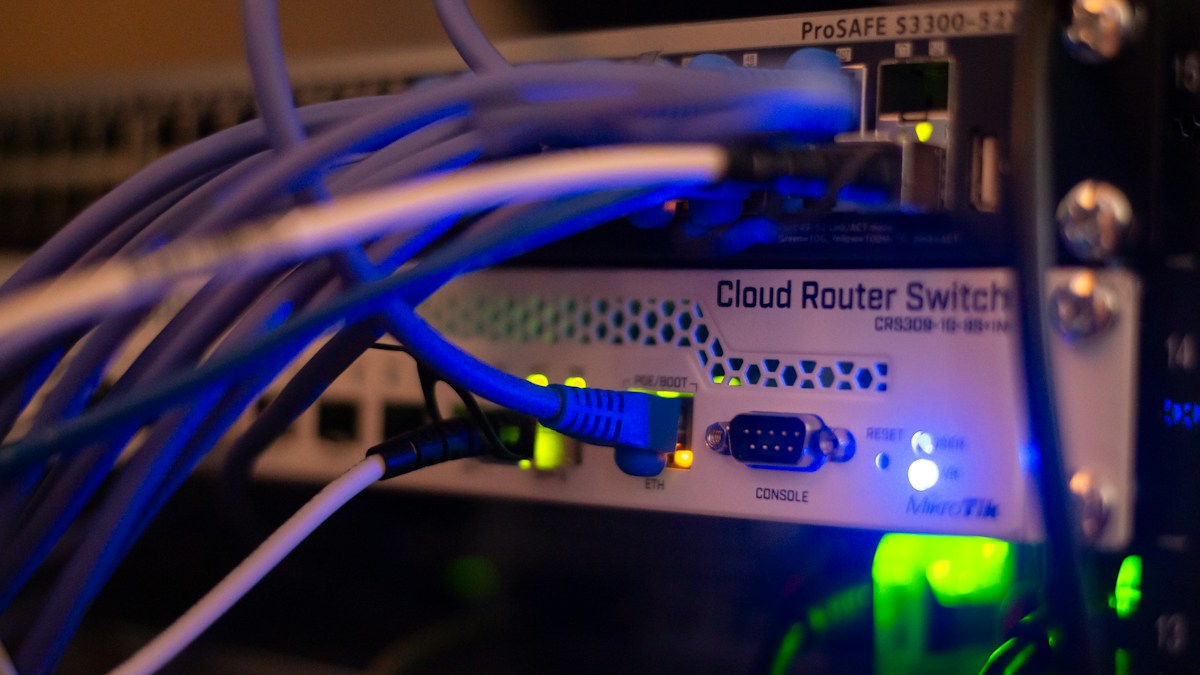
ASUS previously said the BN12 would reach Canada in October, but its current announcement does not publish a Canadian price. More importantly, Wi-Fi 8 client hardware is still scarce. A home or office already running a stable Wi-Fi 6E or Wi-Fi 7 network will gain little from being first. Buyers replacing a failing older mesh system may value the longer useful life, but everyone else should wait for Canadian pricing and real-world tests.
Google puts more personal context behind the steering wheel
Google began rolling out Personal Intelligence for Gemini in Android Auto on October 20. With permission, it can pull details from Gmail, Calendar, Photos, Maps, YouTube and Search. A driver could ask for a flight gate, navigate to an appointment found in a calendar, or locate a business from a photo. Cars with Google built in are scheduled to receive the feature over the coming months.
Google says the feature is available globally and remains off until the user enables it. That distinction matters: useful hands-free assistance and broad account access arrive together. Anyone using a shared vehicle, company phone or managed Google Workspace account should review which apps are connected and whether personal answers belong on the car display. Navigation, calls and music continue to work without Personal Intelligence.
iPhone Duo reaches stores, but the early-adopter warning remains
Apple’s first foldable moved from preorder to general availability on October 23. The Canadian starting price remains $2,999 for 256 GB, rising to $4,799 for 2 TB. MobileSyrup’s early Canadian review praised the device’s ambition while repeatedly returning to the obvious fact: this is the most expensive smartphone in the country and not a sensible default purchase.
Availability is not the same as maturity. Some third-party apps still need work on the folding screen, and long-term hinge, display and repair behaviour cannot be established during launch week. Professionals who genuinely replace a phone and small tablet with one device may find a case for it. Families, students and fleet managers should wait for durability history and clearer repair costs.
Bose buys Skullcandy, but your headphones do not change overnight
Bose announced its acquisition of Skullcandy on October 21. The companies had already worked together on “Sound by Bose” products. Skullcandy will remain a separate brand within Bose’s consumer-audio business and continue operating from Park City, Utah. Financial terms were not disclosed.
For Canadian shoppers, there is no immediate change to prices, warranties or current models in the announcement. The interesting part is what happens later: Bose gains a younger lifestyle and gaming audience, while Skullcandy gets access to Bose engineering and distribution. Until specific products, support policies and Canadian availability are announced, treat that as corporate strategy—not a feature on today’s headphones.
Apple confirms an October 28 event—and nothing more
Apple confirmed a “Pro and Tell” event for October 28 in Los Angeles. Reuters reports expectations of Mac hardware, but Apple has not confirmed product names, specifications, prices or Canadian availability. That makes the sensible move unusually easy: if you are about to order a high-end Mac for creative work or a business deployment, wait a few days. Rumours are not specifications, but a confirmed event is a valid reason to delay an expensive purchase briefly.
It was otherwise a quiet week for new monitors and wearables. That is not a gap to fill with recycled rumours; it is permission to compare the products already on shelves without artificial launch-week urgency.
What Canadian buyers should do this week
- Radeon owners: install Adrenalin 26.10.1 and test FSR 4.1 before budgeting for a new GPU.
- Router shoppers: solve coverage and congestion problems first; do not buy Wi-Fi 8 for the number alone.
- Android Auto users: enable Personal Intelligence only after reviewing connected apps and shared-car privacy.
- Foldable buyers: let independent durability evidence accumulate before spending $2,999.
- Mac buyers: wait until Apple’s October 28 event before approving a premium order.
For currently available electronics, browse the Unicore Wholesale shop. Businesses, schools and organisations planning larger deployments can submit a bulk-order inquiry, and buyers should review the returns, refunds and warranty policy before ordering. This article does not imply that newly announced products are in Unicore inventory.
Sources
- AMD: FSR Upscaling 4.1 expansion and Tom’s Hardware: independent performance context
- ASUS: ZenWiFi BN12 shipping announcement and PC Gamer: Wi-Fi 8 buying context
- Google: Personal Intelligence in cars
- Apple Canada: iPhone Duo release and MobileSyrup: Canadian review in progress
- Bose: Skullcandy acquisition and Hypebeast: independent acquisition coverage
- Reuters: Apple’s October 28 event
Leave a Reply